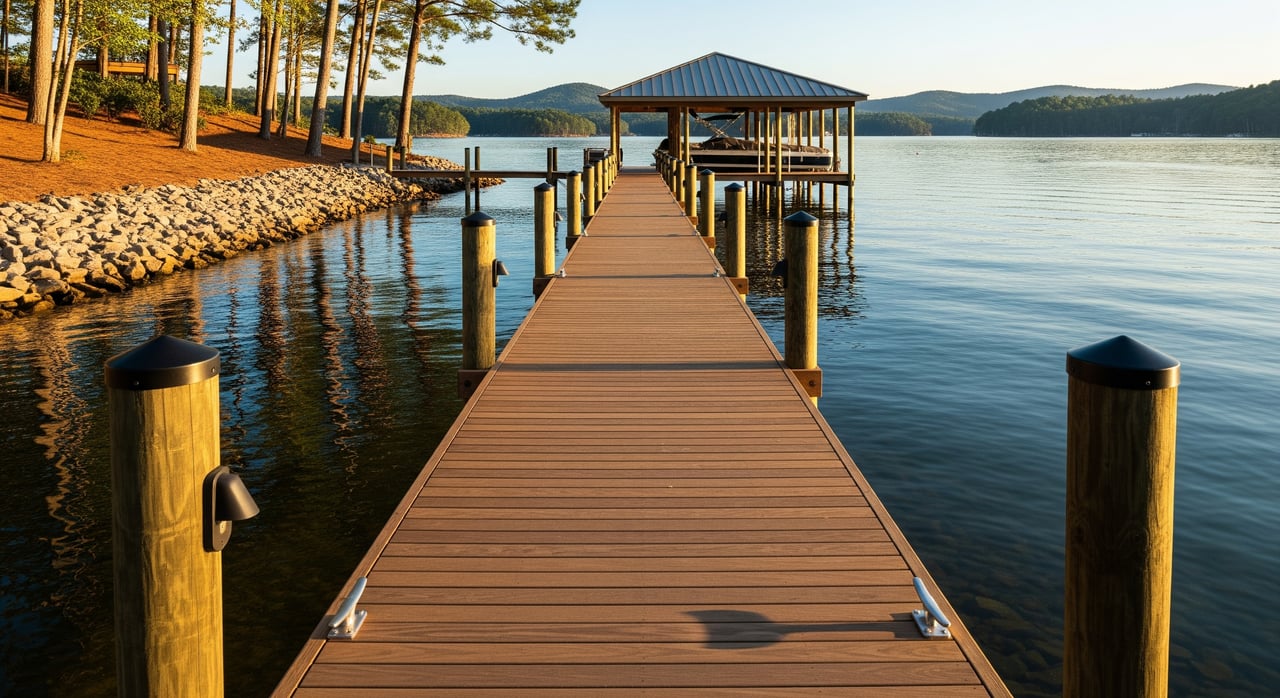
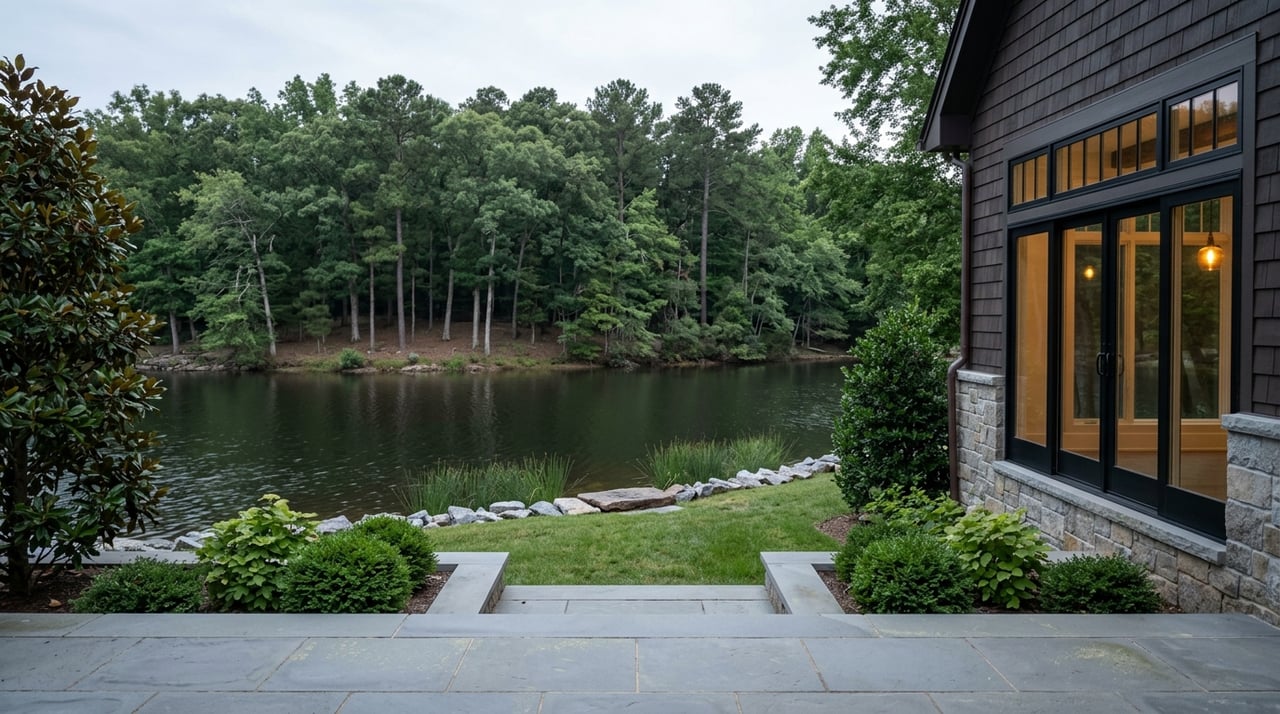
Thinking about a home on Lake Lanier and wondering how the dock permit fits into the deal? You’re not alone. The dock is often the most prized feature of a lake property, and the permit behind it can make or break a closing. You want clarity on what transfers, how long it takes, and what to check before you sign.
In this guide, you’ll learn who regulates docks on Lake Lanier, how permits affect value and timing, what documents to collect, and the best ways to protect your interests whether you’re buying or selling. Let’s dive in.
Who regulates Lake Lanier docks
Lake Lanier is managed by the U.S. Army Corps of Engineers (USACE). The Corps controls the lakebed and shoreline inside its project boundary and uses a Shoreline Management Plan to set policies for private docks and related structures. USACE authorization is the central permit that determines whether a dock is considered permitted.
State and local agencies also matter. Georgia state agencies may weigh in on environmental concerns. Counties can require permits for land-side work like stairs, retaining walls, or utilities. Many neighborhoods and HOAs add their own dock rules on size, materials, and aesthetics. You should confirm requirements at each level.
What a dock permit means in a sale
A current, documented USACE permit usually improves marketability and reduces closing risk. If a permit is missing, expired, non-transferable, or tied to an unresolved violation, you could face delays, added costs, or price adjustments.
Permits can carry conditions, such as setback rules, mooring limits, and maintenance requirements. If past work was done without authorization or out of compliance, the Corps can require corrective action that may impact your timeline or budget.
Types of authorization you may see
Transferable vs. non-transferable permits
Some USACE authorizations can be assigned to a new owner, but they still require formal notice and paperwork. Others are tied to specific terms that make transfer impossible, which means the buyer will need to apply for new authorization. Never assume a dock “stays with the property” automatically.
Expired or undocumented structures
Older docks may have had authorization in the past, but if documentation is missing or the permit has lapsed, the new owner could be required to apply for authorization or face enforcement. This can change the value proposition quickly, so verify early.
What USACE review typically includes
- Site plan or drawing showing dock dimensions and location
- Evidence of riparian ownership or upland property control
- Environmental considerations and public interest review
- Coordination with state and local agencies as needed
Transfer and timing: what to expect
Timing depends on the permit type and the Corps’ workload.
- Administrative permit assignments can be relatively quick, often weeks to a few months when files are complete.
- New permits or modifications usually take longer due to technical review and possible public notice. Typical ranges run about 2 to 6 months for straightforward cases, and complex situations can take longer.
- If there are violations or compliance issues, resolution can extend months to years depending on what mitigation is required.
Factors that affect timing include staffing and backlog, environmental or cultural-resource review needs, and whether neighbors or the public raise concerns.
Contract strategies that protect you
Buyers and sellers often handle dock permits directly in the purchase agreement:
- Buyers commonly include contingencies for permit verification and successful assignment, or approval of needed modifications.
- Sellers provide the USACE permit packet and related files as part of disclosures.
- If transfer is uncertain, parties may escrow funds for remediation or agree to price adjustments.
- Lenders and title companies may require permit documentation or proof of assignment before closing.
County and HOA considerations
Across Hall, Forsyth, Dawson, and Gwinnett Counties, you may need local permits for shore-side work like stairs, walkways, retaining walls, and utilities. Septic setbacks and zoning rules can also apply. Since county policies change, call the county planning, building, and environmental health departments for current requirements and any online steps.
Neighborhoods and HOAs often have their own dock rules. Sellers should provide approvals and any separate dock licenses. Buyers should obtain written HOA consent before relying on a dock’s size, configuration, or value.
Documents to gather early
Collecting the right paperwork up front reduces risk and speeds the deal.
What sellers should provide
- Copy of the USACE permit or authorization, including drawings, site plans, and conditions
- Any assignment or transfer paperwork, plus correspondence with USACE
- County permits for shore-side work and land disturbance
- HOA or POA approvals and covenants that reference docks or water use
- Recorded easements, riparian-rights language in the deed, or recorded dock agreements
- Recent survey or site plan showing property lines, ordinary high water, and dock location
- Any compliance or inspection reports, violation notices, or enforcement letters
- Photos documenting dock condition and configuration
- Receipts or contracts for recent dock repairs or upgrades
What buyers should verify independently
- Title report showing easements and restrictions on shoreline use
- Direct confirmation with the USACE Lake Lanier office on permit status and assignment steps
- Updated survey if the existing survey is dated or incomplete
- Written HOA confirmation on dock rules and approvals
- County permit searches and confirmation with planning and building departments
Common pitfalls and practical fixes
Frequent issues
- Missing or incomplete USACE permit file
- Dock built or modified without federal authorization
- Permit issued to a person rather than tied cleanly to the property
- Neighbor disputes over encroachment or navigation
- Expired permits or outstanding maintenance conditions
Remedies you can pursue
- Administrative transfer if possible and the seller cooperates
- Re-application or modification if the existing authorization does not transfer
- Price credit or post-closing escrow to address cost or risk
- Removal or relocation if authorization cannot be obtained
- Legal or title solutions to clarify riparian rights or shared docks
Step-by-step for sellers
Pre-listing checklist
- Locate every dock-related document and organize it into one folder.
- Contact the USACE Lake Lanier office to confirm permit status and ask about transfer procedures.
- Disclose any known permit limitations, violations, or pending enforcement.
- If feasible, request a written indication from USACE that the permit is assignment-ready.
- Verify county and HOA requirements for any recent or planned shore-side work.
During the listing period
- Provide buyers the permit packet, survey, HOA approvals, and any compliance records early.
- Be prepared to cooperate on assignment paperwork and timeline needs.
- Consider escrow or price adjustments if transfer is uncertain.
Step-by-step for buyers
Before you make an offer
- Review the seller’s full permit packet, survey, and HOA approvals.
- Contact the USACE Lake Lanier office to confirm the permit’s status and whether it can be assigned, plus the steps required.
- Add contingencies for permit verification, assignment, and any needed modifications.
- Include a separate inspection of the dock’s physical condition.
From contract to close
- Track assignment paperwork and required notices to USACE.
- Confirm county permits for any shore-side work you plan to do post-close.
- Coordinate with your lender and title company on documentation they need before funding.
- If assignment is delayed or denied, use your contingency to renegotiate, escrow, or exit per the contract.
Final thoughts
On Lake Lanier, the dock permit is not a formality. It is a core part of value, usability, and closing certainty. When you verify the USACE authorization, align county and HOA rules, and organize the right documents early, you reduce surprises and keep leverage on your side.
If you want a local plan tailored to your property and timeline, reach out. Bryan Schacht helps Lake Lanier buyers and sellers navigate dock permits, assemble the right team, and position listings and offers for smooth closings.
FAQs
How are docks on Lake Lanier regulated?
- The U.S. Army Corps of Engineers manages Lake Lanier’s shoreline and uses a Shoreline Management Plan to authorize private docks and related structures.
Do dock permits transfer when a home sells?
- Sometimes. Transfer depends on the permit terms. Many assignments require formal notice and paperwork to USACE. Never assume the dock automatically stays with the property.
How long does a permit transfer or new permit take?
- Administrative assignments can take weeks to a few months when files are complete. New permits or modifications often take 2 to 6 months, and complex cases can take longer.
What documents should I request from a seller?
- Ask for the USACE permit and drawings, any assignment paperwork, county permits, HOA approvals, surveys, compliance records, and photos of the dock’s condition.
What if a dock was built or modified without authorization?
- You may need to pursue a new permit or modification, negotiate a price credit or escrow, or in some cases remove or relocate the structure if authorization cannot be obtained.
Who should I contact besides the Corps?
- Contact county planning, building, and environmental health departments for land-side permits, your HOA for community rules, and a surveyor, attorney, and experienced dock contractor for due diligence and compliance.