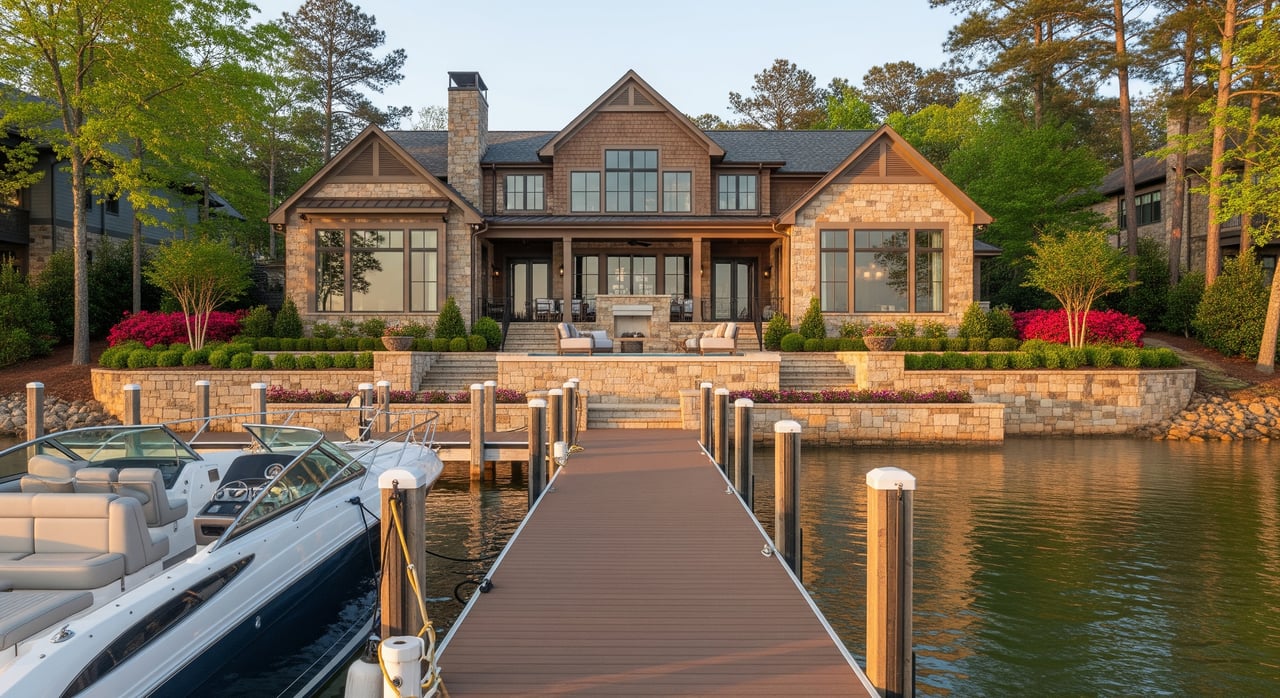
Living on Lake Lanier: Everyday Life in Lake Lanier Estates
Good to Know Bryan Schacht February 5, 2026
Good to Know Bryan Schacht February 5, 2026
Is lake life as peaceful and fun as it looks in photos? If you are considering a home in Lake Lanier Estates in Forsyth County, you want the full picture. You care about summer traffic, dock rules, water levels, and whether the commute works in real life. This guide gives you a practical, year-round view of what it is like to live on Lake Lanier, plus the key steps that help you buy with confidence. Let’s dive in.
Summer is the peak. From Memorial Day through Labor Day, you will see the most boat traffic, especially on weekends and holidays. Marinas and public ramps are busy, bridges and lake roads can slow down, and shoreline noise rises in the afternoons. Weekday mornings stay quieter even in peak season.
Spring and fall bring the sweet spot for many residents. The weather is mild, crowds thin out, and boating feels calmer. Spring can pick up around Easter and early May, then activity drops again after Labor Day. Fall weekends are popular for paddling and fishing, and coves feel peaceful.
Winter is the quiet season. You will still see some dock maintenance and owners on the water, but marinas may reduce hours. Roads and the shoreline calm down, and you get the stillness that many full-time residents love.
Lake Lanier is a managed reservoir controlled by Buford Dam. Water levels change for flood control, power generation, downstream supply, and recreation. Levels often dip in winter and recover into summer, but rainfall and drought can shift that pattern. It is smart to review the history and current level trends on the U.S. Army Corps of Engineers’ Lake Lanier operations and recreation pages when you tour property.
Dock usability depends on lake level and permitting. In very low water, some fixed or shallow water docks can be hard to access. Confirm whether a dock is permitted, its configuration, and the water depth range at the site.
Safety increases with awareness. Holidays and summer weekends bring more collisions and near-bridge congestion. Local sheriff’s offices and Georgia DNR patrol the lake and enforce boating rules. Review Georgia DNR’s boating and fishing resources before you launch.
Water quality is monitored. Warm months can bring algal blooms in shallow coves. State agencies post advisories as needed. If swimming and shoreline health are priorities for you, check the Georgia Environmental Protection Division’s water quality pages for current updates.
The primary route toward Atlanta is GA 400. Travel time varies by time of day and season. Off-peak trips into northern Atlanta can run 25 to 45 minutes, while rush hours are longer. Public transit is limited compared with inner suburbs, so most residents rely on private vehicles.
Local roads around the lake, including Browns Bridge Road and Keith Bridge Road, can back up on summer weekends and during major events. If you plan frequent weekend boating or hosting, factor in extra time for guest arrivals and errand runs.
Homes in Lake Lanier Estates in Forsyth County are served by Forsyth County Schools. Attendance zones are address specific, and parcels across the shoreline in Hall or Gwinnett counties fall under those systems. Confirm zoning by address using the district’s Forsyth County Schools site.
Utility service varies by parcel. Electricity is commonly provided by Georgia Power or local providers. Some lots connect to county water and sewer, while others use septic systems. Sewer availability can impact renovation plans and costs, so verify service during your due diligence.
Broadband access has improved in many Forsyth neighborhoods, but very private or remote lake lots may rely on fixed wireless or satellite. Check providers for the specific address.
Emergency services are county-based. Response times can be longer for homes in remote coves, and water rescue depends on dedicated marine units. Review access for emergency vehicles, especially if you have a private drive or a long, narrow road to the dock.
Flood risk matters on the shoreline. Portions of the lakefront fall within FEMA flood zones. Before you go under contract, review the FEMA Map Service Center’s flood maps and obtain preliminary insurance quotes. Lenders and insurers may require additional documentation for waterfront properties.
Dock and shoreline work typically require permits. The U.S. Army Corps of Engineers oversees structures in navigable waters, and Forsyth County regulates local building and zoning. Confirm that a property’s dock is permitted and insured, and ask for any shoreline or rip-rap permits. Start with Forsyth County’s government and permitting resources and the USACE Lake Lanier site.
Short-term rental rules vary. Counties and HOAs set their own regulations and taxes for vacation rentals. If you plan to rent seasonally, check Forsyth County’s planning pages and your HOA covenants before you buy.
Ongoing costs are higher than typical suburban homes. Budget for dock upkeep, boat lift service, winterizing, shoreline stabilization, and possible dredging. Insurance can be higher for waterfront homes and watercraft, and flood insurance may apply. HOA fees can cover shared ramps or common area maintenance if your community has those amenities.
Lake Lanier offers a deep network of public ramps, private marinas, and HOA facilities. Public ramps can be crowded on summer weekends. If you need a slip or dry storage, plan ahead since many marinas use seasonal waiting lists.
Full-service marinas often provide fuel, pump-outs, covered and uncovered slips, winter storage, basic mechanical service, and sometimes restaurants. The resort complex at Lake Lanier Islands hosts events and offers multiple recreation options. Many neighborhoods also have community docks or ramps controlled by HOA rules.
If you love fishing, Lake Lanier is known for bass and tournament activity. Check Georgia DNR for licensing and seasons. On land, you can explore trails at Sawnee Mountain in Forsyth County and Don Carter State Park in Hall County. Everyday conveniences in Cumming, Alpharetta, and nearby suburbs are a short drive away.
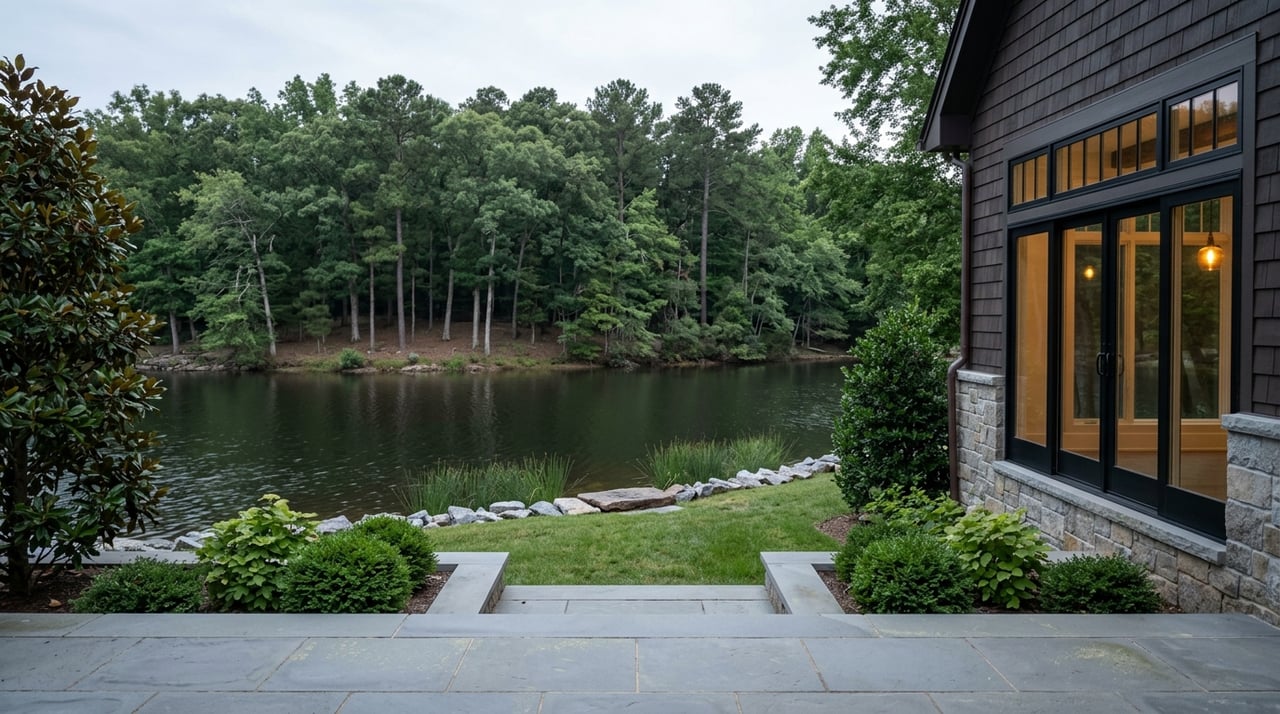
You will find a mix of properties, from renovated cottages to large custom estates. Lot size, slope, and tree cover shape your view and how easy it is to walk to the dock. A gentle grade to the water is highly desirable for day-to-day living.
Forsyth County zoning and HOA covenants guide what you can build or modify. Setbacks, exterior guidelines, guest parking, and short-term rental rules often appear in HOA documents. Verify whether a dock is grandfathered and whether past shoreline work has appropriate permits.
Waterfront financing and insurance work a little differently. Lenders may evaluate flood zones, private road access, and shoreline conditions. Appraisers and insurers look at septic versus public sewer, erosion history, and elevation data. Consider ordering a survey and an elevation certificate if the parcel lies in a mapped flood zone.
Market timing is seasonal. Inventory is tight and many buyers shop in spring and summer, which can increase competition. Some buyers make successful off-season purchases when showing activity is lower. Pricing premiums vary by county, lot size, views, and docking rights, so rely on current local sales data when you negotiate.
Living on Lake Lanier in Forsyth County can be energizing in summer and peaceful in the off-season. You get big-water views and a social dock scene, balanced with practical ownership costs, seasonal traffic, and rules that protect the shoreline. If you plan ahead for water levels, permits, utilities, and insurance, you can enjoy the lake as part of your daily life.
If you are ready to explore homes in Lake Lanier Estates or want a second opinion on a specific property, connect with Bryan Schacht for a local, hospitality-focused approach that puts your goals first.
Stay up to date on the latest real estate trends.
Good to Know