Dahlonega Mountain Living Guide: Wineries, Land & Lifestyle
March 5, 2026
March 5, 2026
What if your go-to weekend wine escape could also be home? In Dahlonega, you can pair ridge views and tasting rooms with a quiet, walkable square and an easy drive from much of Atlanta. Whether you picture a historic cottage near the Square, a tucked-away cabin on a few acres, or a vineyard-worthy estate, you have options. This guide shows you what life looks like in Dahlonega and Lumpkin County, with practical tips on utilities, permits, short-term rentals, and land ownership so you can move forward with confidence. Let’s dive in.
Dahlonega sits in the foothills of the Blue Ridge at about 1,450 feet, serving as the county seat of Lumpkin County. From much of Atlanta, it is commonly treated as a day or weekend escape, roughly 60 to 75 miles and about 1¼ to 1¾ hours by car depending on traffic and starting point. You get small-town ease and scenic mountain drives without being far from the metro area. You also feel the energy of a college town, thanks to the University of North Georgia’s main campus nearby, plus a steady calendar of festivals and events downtown. Learn more about the city’s setting and history.
Dahlonega’s wine identity is official. In 2018, the federal government established the Dahlonega Plateau American Viticultural Area, which covers much of Lumpkin County and recognizes the region’s climate and soils for winegrowing. For buyers, the AVA signals the area’s vineyard potential and supports a lifestyle built around tastings, events, and scenic vineyard views. You can read the TTB announcement that created the Dahlonega Plateau AVA.
Dahlonega offers two distinct daily rhythms. Here’s how they differ and what to plan for as a buyer.
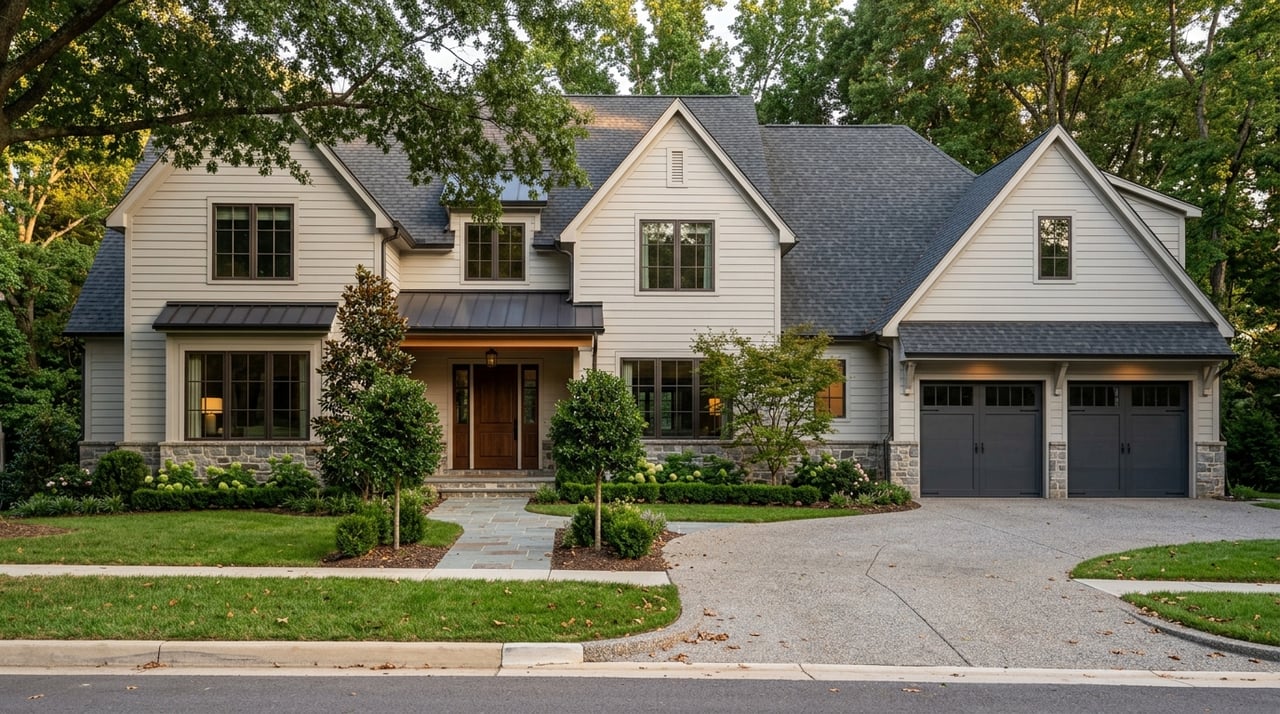
You’ll find a charming, walkable downtown with shops, galleries, and restaurants close to the historic Square. Homes here often sit on smaller lots and lean on character and convenience. Inside the city limits, municipal water and sewer are available, which makes day-one living simpler. Confirm service with the City of Dahlonega Public Utilities.
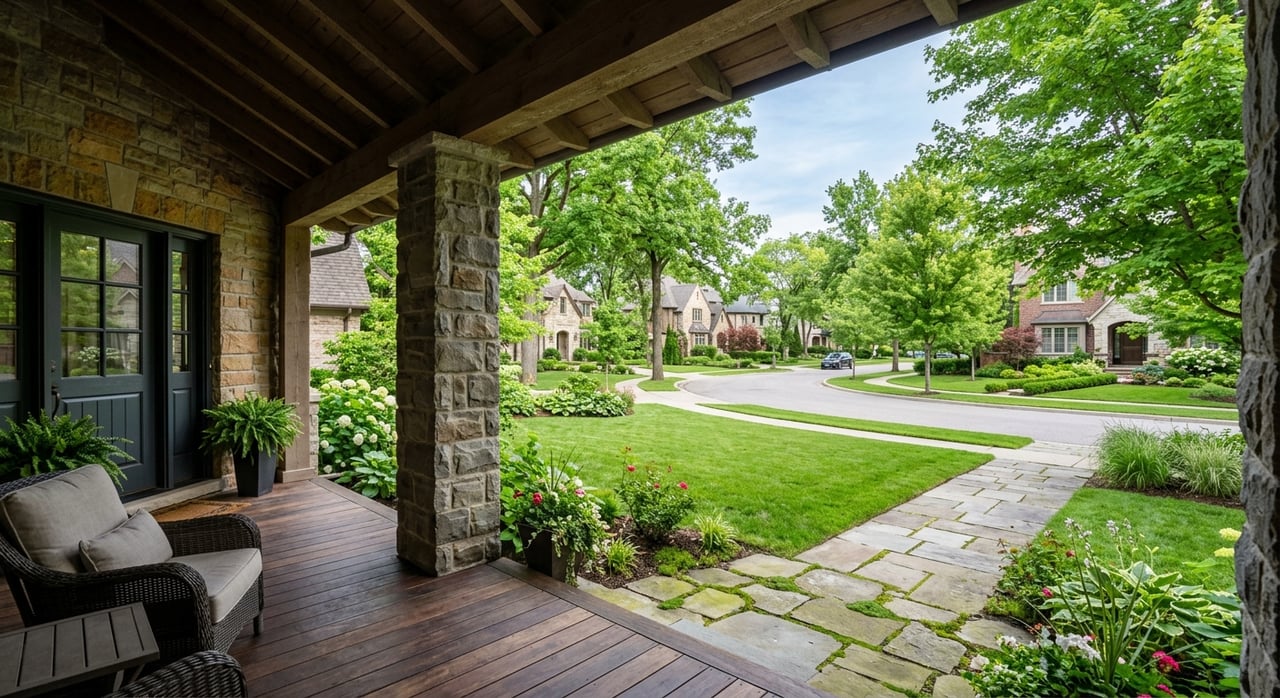
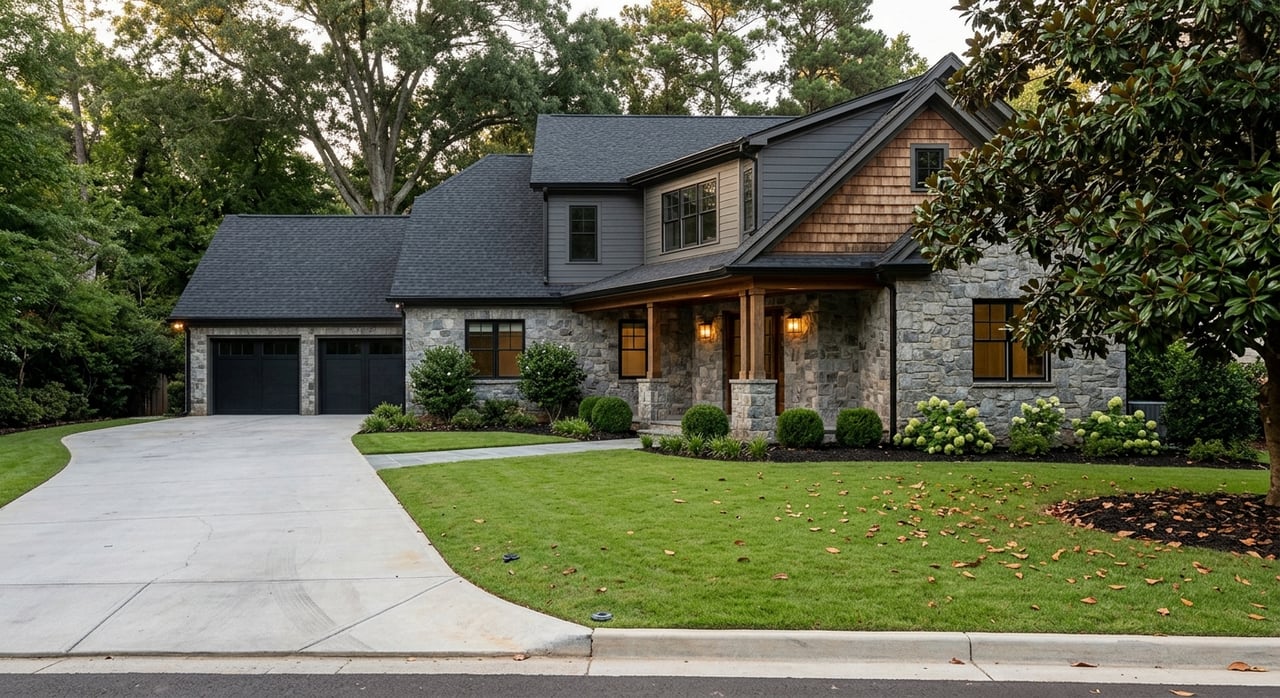
Just outside town, you’ll see 1 to 10-acre parcels with cabins, hobby farms, creeks, and long views. These properties often rely on private wells and on-site septic. If you plan to build, budget time for a soil study and septic construction permit. Georgia’s on-site sewage rules are county-administered, so review the state manual on septic systems and check requirements with local authorities.
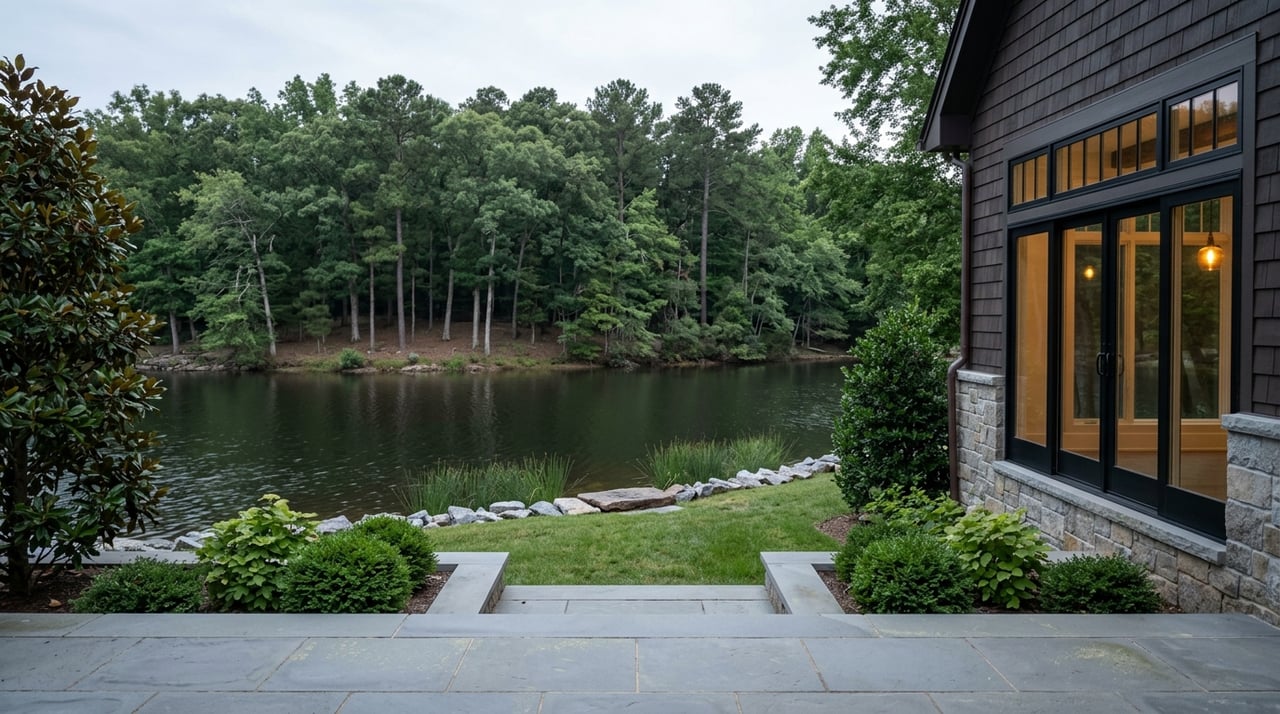
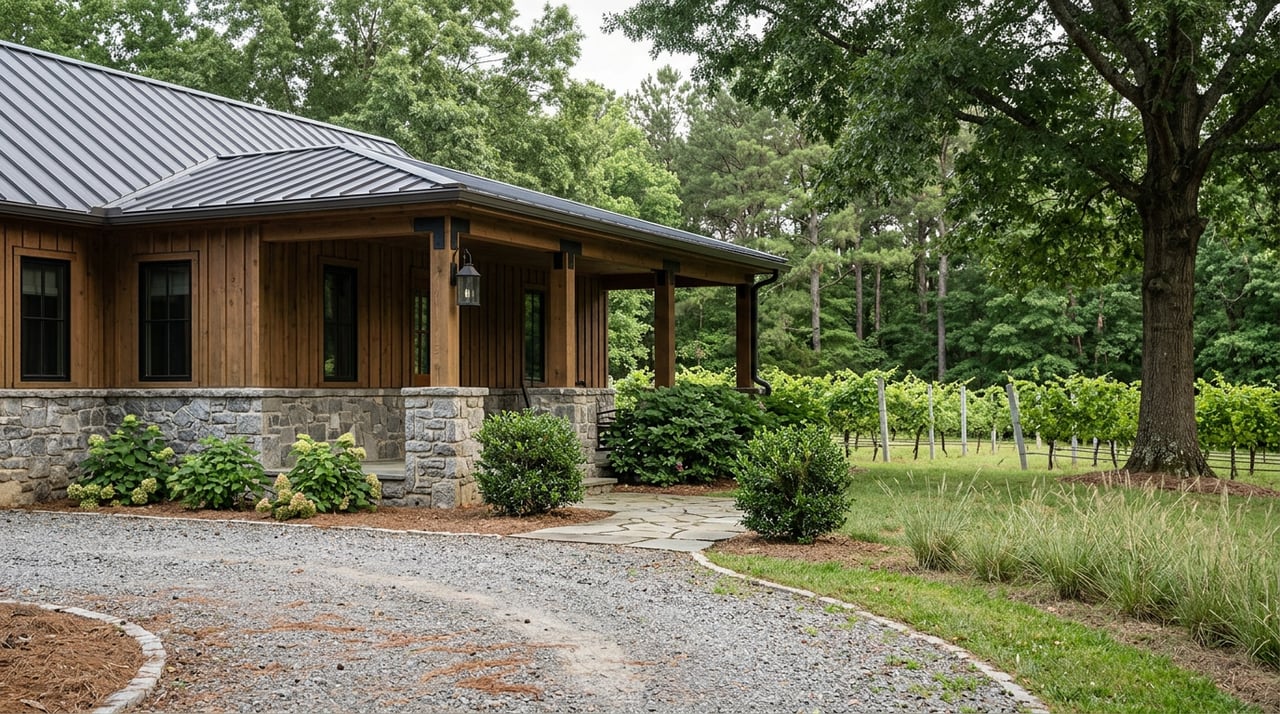
Larger tracts and estate properties sit among the region’s wineries and agritourism destinations. Some estates include hospitality elements like tasting rooms, event venues, or a restaurant. Because parcels vary widely by slope, aspect, and improvements, pricing moves with quality and use potential. To get a feel for current land trends, browse Lumpkin County land market snapshots and pair that with local MLS insights for up-to-date expectations.
Median values provide a helpful frame of reference when you compare in-town homes to the broader county market. The U.S. Census reports the City of Dahlonega’s median value of owner-occupied housing (2020–2024) at about $531,100, while Lumpkin County’s median is about $307,900 over a similar multi-year window. These are not guarantees for any individual property, but they highlight how walkable, in-town inventory often trades at a premium to countywide stock. See the Dahlonega city QuickFacts and Lumpkin County QuickFacts for details.
Buying in the mountains comes with unique checklists. Here are the issues to sort out early.
Inside Dahlonega city limits, municipal water and sewer are typically available, which simplifies move-in and renovations. Outside the city, most properties use private wells and septic systems. Always verify current utility service and any needed hookups with the City of Dahlonega Public Utilities.
Georgia regulates on-site sewage through county boards of health. Expect a soil evaluation and a construction permit before installing a septic system, and know that rocky or steep sites can be more complex. Review the Georgia Manual for On-Site Sewage Management Systems and speak with local officials to understand timelines and costs. If a parcel already has a permit or recorded well, request documentation during due diligence.
Many mountain parcels sit on private roads. Confirm recorded easements and whether there is a road maintenance agreement in place. Ask who pays for upkeep, how work is coordinated, and what standards apply to grading or surfacing. These details affect daily access and long-term costs.
Rules differ inside city limits versus unincorporated Lumpkin County. If you plan to run a short-term rental, the County requires a Land Use Permit before it will issue a combined Business and Short-Term Rental License. Lumpkin County also increased the hotel/motel tax to 8% in 2023, which matters for operators. Review the county’s Short-Term Rental guidance and licensing and confirm jurisdiction before assuming any rental use.
Annual property taxes depend on assessed values and local millage rates. Large acreage owners sometimes use Georgia’s Conservation Use Valuation Assessment (CUVA) program to reduce taxes in exchange for a multi-year conservation covenant. Eligibility, use limits, and penalties for early exit are handled at the county level. Read the state overview of CUVA and related programs and consult the county assessor for specifics.
Coverage varies by address. Many areas have fiber or fixed wireless, while others rely on satellite or newer home internet options. Before you buy, check availability for the exact location using a Lumpkin County internet availability overview and then confirm with providers.
Expect a mix of steep slopes, shallow or rocky soils, and sensitive drainage. If you want level yard space or a gentle homesite, note that these are rarer and can command premiums. For vineyard buyers, the AVA recognition is helpful at a regional scale, but suitability still depends on parcel-specific soils, slope, elevation, and frost exposure.
Dahlonega stays lively through the year, with peak visitor seasons during leaf change and fall festivals, summer winery weekends, and university event dates. These patterns can influence traffic and short-term rental demand. Regional reporting highlights how North Georgia vineyards have grown into a major draw. If you are considering rental income or event use, check local licensing and plan your calendar around high-demand weekends.
Use these spots to get to know the region’s flavor and visitor experience:
Use this quick list to focus your due diligence:
From walkable cottages near the Square to secluded ridge-top cabins and vineyard-capable estates, Dahlonega delivers a rare blend of access, scenery, and wine-country charm. If you want a guided, low-stress path to the right property, connect with Bryan Schacht for local insights, land-savvy due diligence, and polished presentation when it is time to sell. Request a Free Consultation & Home Valuation.
Stay up to date on the latest real estate trends.
Good to Know