Your Step-by-Step Plan for Relocating to Gainesville GA
Bryan Schacht May 7, 2026
Bryan Schacht May 7, 2026
Moving to a new city can feel exciting right up until the details start piling up. If you’re relocating to Gainesville, GA, you are not just picking a house. You are choosing between city and county routines, lake access and commute tradeoffs, and neighborhoods that can feel very different from one another. This step-by-step game plan will help you make a smarter move with fewer surprises. Let’s dive in.
Gainesville is more than a suburb on the map. The city describes itself as the business hub for Northeast Georgia, located about 50 miles northeast of Atlanta and surrounded on three sides by Lake Sidney Lanier. It also reports a daytime population above 100,000, which helps explain why the area feels active well beyond its residential footprint.
For you, that means relocation planning should go beyond price and square footage. Gainesville can offer a downtown setting, established in-town neighborhoods, lake-oriented living, and areas that make more sense for work-focused routines. A smooth move starts when you decide which of those lifestyle patterns fits you best.
Before you tour homes, get clear on what matters most in your daily life. In Gainesville, the biggest decision points are usually commute, school attendance zone, and lake access. If you try to solve all three at once without ranking them, your search can get frustrating fast.
A practical first step is to define your top priority in plain language. You might want the shortest drive to work, easier access to Lake Lanier, or an address that aligns with a specific school attendance zone. Once that priority is clear, every other choice gets easier.
When you relocate to Gainesville, shopping by ZIP code alone can miss the real character of an area. The city’s planning categories include places like the Central Core, Historic Mill Villages, Traditional Neighborhoods, Suburban Neighborhoods, Lake District, and work-oriented corridors. Those categories can be more useful than a broad map search when you want to compare older housing, walkability, lake influence, or access to major employers.
This matters because two homes with similar price points may support very different routines. One may place you closer to downtown amenities, while another may better fit a lake lifestyle or a shorter drive to healthcare, education, or manufacturing jobs. Looking at Gainesville through these local layers helps you compare options more clearly.
Downtown Gainesville and the Main Street corridor are the strongest fit if you want a more urban, amenity-rich feel. The city describes downtown as a walkable area with shops, restaurants, greenspace, and year-round events. The Midland Greenway corridor adds another dimension for buyers who want to stay connected to central Gainesville.
Established neighborhoods and local historic districts can offer a different experience. In these areas, things like lot size, street layout, renovation needs, and preservation rules may matter just as much as the home itself. If you are considering an older property, your checklist should reflect that from the beginning.
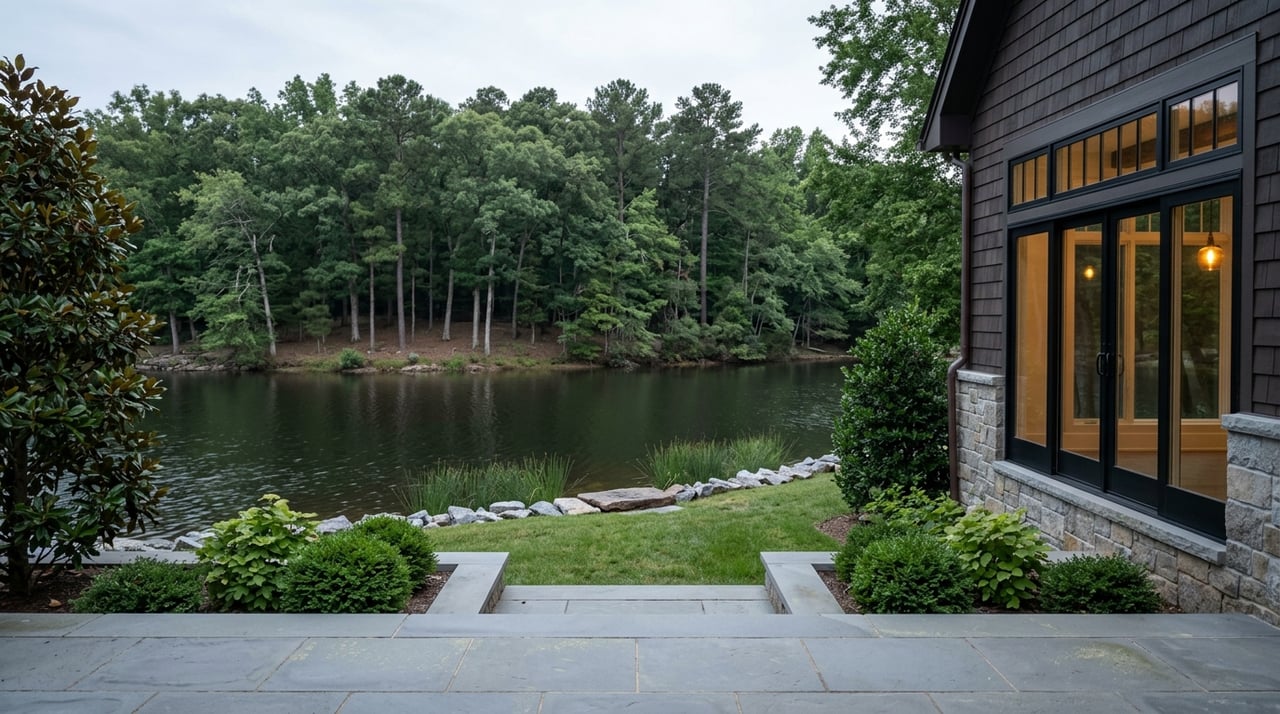
Lake-oriented living is another major piece of the Gainesville market. Since the city sits beside Lake Lanier, you may want to compare direct lakefront homes, homes near trails and parks, or inland options that still give you an easy drive to ramps and marinas. Those are not the same lifestyle, even if they all look close on a map.
This is the time to get organized. If you are serious about buying, get mortgage preapproval and establish a realistic price range before you start chasing listings. It is also smart to define your preferred commute radius and decide whether school zoning, lake access, or work proximity is your top filter.
This early stage is where many relocation moves either become smoother or more stressful. A focused search saves time, keeps expectations grounded, and helps you avoid falling for homes that do not support your everyday routine.
Once your priorities are clear, start touring the parts of Gainesville that fit them best. This is the right time to compare downtown, established in-town areas, lake-influenced locations, and work-oriented corridors side by side. In a relocation move, seeing those patterns in person is often more helpful than scrolling online listings.
You should also verify school attendance details before making an offer. In Gainesville, an address can affect school assignment, transportation, and your daily routine in ways that are not obvious from a casual map search. That is one reason local, street-level guidance matters so much here.
Once you are under contract, your job shifts from searching to staying on schedule. Keep a close eye on deadlines for underwriting, inspections, repairs, and your final walk-through. The lender must provide the Closing Disclosure at least three business days before closing, so it helps to leave room for any last-minute issues.
For relocation buyers, this stretch can feel busy because you are managing both the purchase and the move itself. A calm, organized timeline makes a big difference when several moving parts are happening at once.
This is the time to line up the practical details. Set up utility activation, submit your change of address, and gather any documents you will need for school registration. Hall County Schools requires two proofs of residency along with other enrollment documents, and Gainesville City Schools has its own address-related procedures.
If you have children, do not leave these items until the last minute. Even a great home choice can feel stressful if the paperwork side of the move is still unresolved when move-in day arrives.
As move-in gets close, confirm the routines you will use right away. That includes commute routes, school transportation plans, daycare timing, and your first few days of errands. Small details matter more than you expect during the first week in a new city.
This is especially important if school transportation is part of your plan. Gainesville City Schools states that transportation is provided within the student’s attendance zone, and updated zone and transfer rules can affect service. It is best to confirm those details before the first day.
Commute time should be part of your housing search from day one. Census QuickFacts show a mean commute of 24.0 minutes in Gainesville city and 27.3 minutes in Hall County. That does not mean the city is always the faster answer, but it does show why you should compare your actual destination, not just assume a general area will save time.
Gainesville also has transit options that can help with day-to-day flexibility. Hall Area Transit serves destinations like jobs, interviews, medical offices, grocery stores, and recreation. WeGo operates as an on-demand rideshare service on weekdays, typically with 15 to 30 minute wait times.
For most relocating households, these services are best seen as helpful support rather than a full replacement for a car-based routine. If your schedule is tight, test your likely routes before you commit to a location.
If school-aged children are part of your move, this needs to be one of your earliest checkpoints. Gainesville City Schools and Hall County Schools both use address-based enrollment rules. That means the exact property you choose can affect school assignment, transportation access, and registration steps.
Gainesville City Schools directs families to its attendance zone map and notes that transportation is only provided within the student’s attendance zone. Hall County Schools also tells new families to enroll at the school in their assigned zone and provide required residency and identification documents. The key takeaway is simple: verify first, then write the offer.
Lake Lanier is a major part of Gainesville life, but your ideal lake setup may not be what you first imagine. The U.S. Army Corps of Engineers reports that Lake Sidney Lanier includes 39,000 acres of water, 76 boat ramps, and 10 marinas. That gives you a wide range of ways to enjoy the lake, depending on how often and how directly you want access.
Some buyers want direct water access. Others are happy with trail access, nearby parks, or a short drive to ramps and marinas. Gainesville’s connection to the lake, including the Rock Creek Greenway’s path toward Lake Lanier through four parks, makes those distinctions worth comparing carefully.
If you want to keep your search focused, use this checklist before narrowing down homes:
Gainesville is not one simple market. It blends city and county considerations, different school systems, lake-driven housing choices, and neighborhoods that support very different daily routines. A home that looks perfect online may create tradeoffs you only notice once you understand the map at a local level.
That is where a patient, informed advisor can make the process easier. When your move involves commute goals, school zoning, and lifestyle priorities all at once, clear guidance can help you feel more confident from the first tour to move-in day.
If you are planning a move to Gainesville or anywhere along the Lake Lanier corridor, Bryan Schacht offers a calm, consultative approach built for relocation buyers who want local insight and a smoother path forward.
Stay up to date on the latest real estate trends.
Good to Know