How to Sell Your Lake Lanier Home Fast and Well
May 14, 2026
May 14, 2026
Wondering why some Lake Lanier homes attract strong interest right away while others sit longer than expected? If you are planning to sell in Lake Lanier Estates, the answer often comes down to two things: presentation and preparation. When you get both right before your home hits the market, you can create a smoother sale, stronger buyer confidence, and a better first impression from day one. Let’s dive in.
Selling a lakefront home is different from selling a typical suburban property. Buyers are not only looking at your kitchen, bedrooms, and layout. They are also paying close attention to the water view, dock, shoreline, deck, and how easy the property appears to own and enjoy.
That matters even more because most buyers start online. National Association of Realtors data shows that 43% of buyers first searched online, and 81% rated listing photos as the most useful online feature in 2025. The same research found that buyers typically viewed seven homes, with two viewed only online, so your home needs to look compelling before anyone ever steps through the door.
For a Lake Lanier home, your dock and shoreline can be major selling points. They can also create delays if the paperwork is unclear or if past changes were not properly approved. That is why the smartest place to begin is with due diligence, not decor.
The U.S. Army Corps of Engineers manages shoreline use on Lake Lanier. According to the Corps, its permit and license system applies to certain adjacent property owners, lasts up to five years, is nontransferable, and does not convey real estate rights or exclusive-use rights on government property.
That means buyers will want clarity. If your home includes an existing dock or shoreline improvements, it helps to confirm early what is permitted, what paperwork you have, and whether anything needs attention before you list.
The Corps asks for specific documents during the change-of-owner process and related permit review. Gathering these before listing can help you avoid a scramble later.
A strong pre-list file may include:
The Corps also notes that documents should be sent all at one time rather than piecemeal. If your ownership is held in a trust, estate, company, or another non-standard structure, it is especially helpful to get those authority documents in order early.
A few common assumptions can cause trouble during a lakefront sale. One of the biggest is believing that an existing dock permit simply transfers with the property. The Corps says permits and licenses are nontransferable, so a new owner must apply through the change-of-owner process.
Another common mistake is making shoreline changes without checking first. The Corps says any work on public property must be approved before work begins, and it prohibits actions such as clearing trees and understory vegetation, planting non-native or ornamental vegetation, and placing unpermitted items on the shoreline.
If your property has older structures or encroachments, do not assume age alone makes them acceptable. The Corps notes that some items may be grandfathered, but new authorizations are not allowed for those items, and removal may be required if they become unsafe or unusable.
If you want to sell fast and well, timing matters. For Lake Lanier properties, the best sequence is usually to resolve shoreline and dock questions first, then move into repairs, decluttering, staging, and photography.
That order makes sense for a simple reason. Corps processing for a complete permit package normally takes 6 to 8 weeks after all required documents and fees are received, and incomplete applications cannot be processed. If an issue surfaces late, it can interfere with your ideal listing window.
This is the time to verify dock permit status and confirm whether any shoreline changes were ever approved. If you added steps, riprap, or other features over time, this is when you should review the file and ask questions.
It is also a good time to address larger repair items that may come up during buyer due diligence. Structural concerns, deferred maintenance, and visible wear are better handled before you are under pressure to go live.
At this point, you should be assembling your ownership and permit packet. Make sure your mailing information is current and that any supporting legal paperwork is easy to produce if needed.
This is also a smart window to begin refining your sale strategy. Once the regulatory side is organized, you can make cleaner decisions about timing, pricing, and the presentation work that will help your home stand out.
Now the focus shifts from fixing to showcasing. This is when you want your home cleaned up, decluttered, and ready for photography and showings.
National Association of Realtors research shows that sellers prioritize marketing the home, pricing it competitively, and selling within a specific timeframe. Your home should be fully prepared for those goals before the listing goes live, not after.
Staging matters because it helps buyers picture themselves in the home. National Association of Realtors research found that 83% of buyers’ agents said staging made it easier for buyers to visualize a property as their future home. The same research found that 29% said staging increased the offer price by 1% to 10%, while 49% of sellers’ agents said it reduced time on market.
For a Lake Lanier Estates home, staging should support the lifestyle that buyers are already hoping to find. That usually means highlighting the spaces that connect indoor living to the water.
According to the National Association of Realtors, the most commonly staged rooms are the living room, primary bedroom, dining room, and kitchen. For a lake home, those rooms matter even more when they frame the view or flow out to the deck, patio, or shoreline.
Focus first on:
If your furniture is oversized, dated, or blocks sightlines, it may be working against you. Buyers should be able to see the space, feel the light, and notice the view right away.
Your online presentation may shape whether buyers book a showing at all. Since listing photos are such a powerful decision driver, your preparation should be guided by what the camera sees, not just what feels acceptable in everyday life.
That means cleaning, simplifying, and editing every visible area. It also means treating the route from the driveway to the water as part of the showing experience.
Before photography, make sure you:
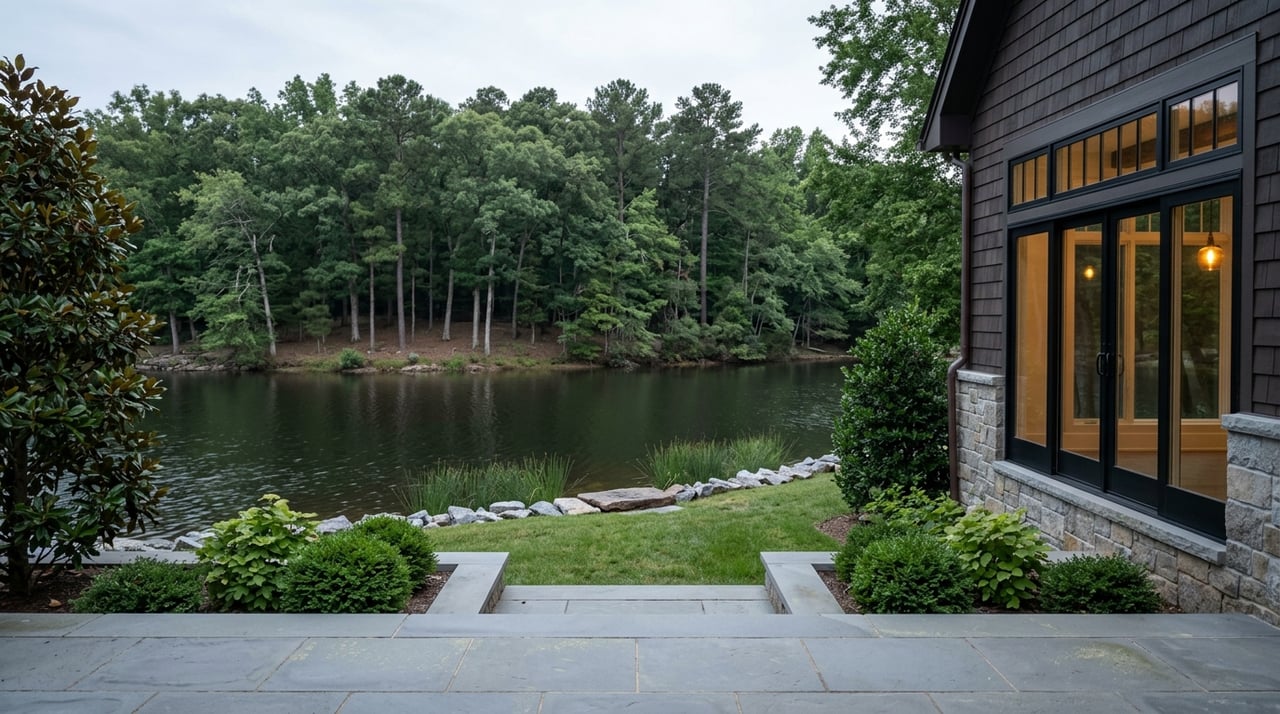
For waterfront property, curb appeal is more than the front yard. It includes the shoreline, the dock condition, and the overall sense that the property has been cared for with attention and consistency.
A well-prepared seller does more than make the home look good. A well-prepared seller also reduces uncertainty. That can help buyers feel more confident about making an offer.
In Lake Lanier Estates, buyers often want to know whether the dock is properly documented, whether shoreline work was approved, and whether any older features could create future issues. Clear records and early fact-checking can make those conversations easier.
It is also important to stay in your lane. The Corps states that real estate agents do not have authority to approve or recommend permit changes. Only the Lake Lanier Corps office can do that, so official confirmation matters.
Selling fast is great, but selling well is the real goal. On Lake Lanier, that usually happens when your home combines polished presentation with solid preparation behind the scenes.
When you handle dock and shoreline questions early, clean up paperwork, and present the home in a way that highlights its lifestyle value, you put yourself in a stronger position. Buyers can focus on what makes your property special instead of worrying about what they might uncover later.
If you are thinking about selling your Lake Lanier home and want a clear, presentation-first plan, Bryan Schacht can help you prepare your property, position it thoughtfully, and bring it to market with confidence.
Stay up to date on the latest real estate trends.

Good to Know